
Understanding Unit Economics: The Heartbeat of Your Business Model
When it comes to attracting Series B funding, having a firm grasp of your unit economics is not just important—it’s imperative. Investors want to see that your startup can scale sustainably and profitably. Unit economics, which refers to the direct revenues and costs associated with a single unit of your product or service, serves as a key indicator of your business’s potential for growth and profitability.
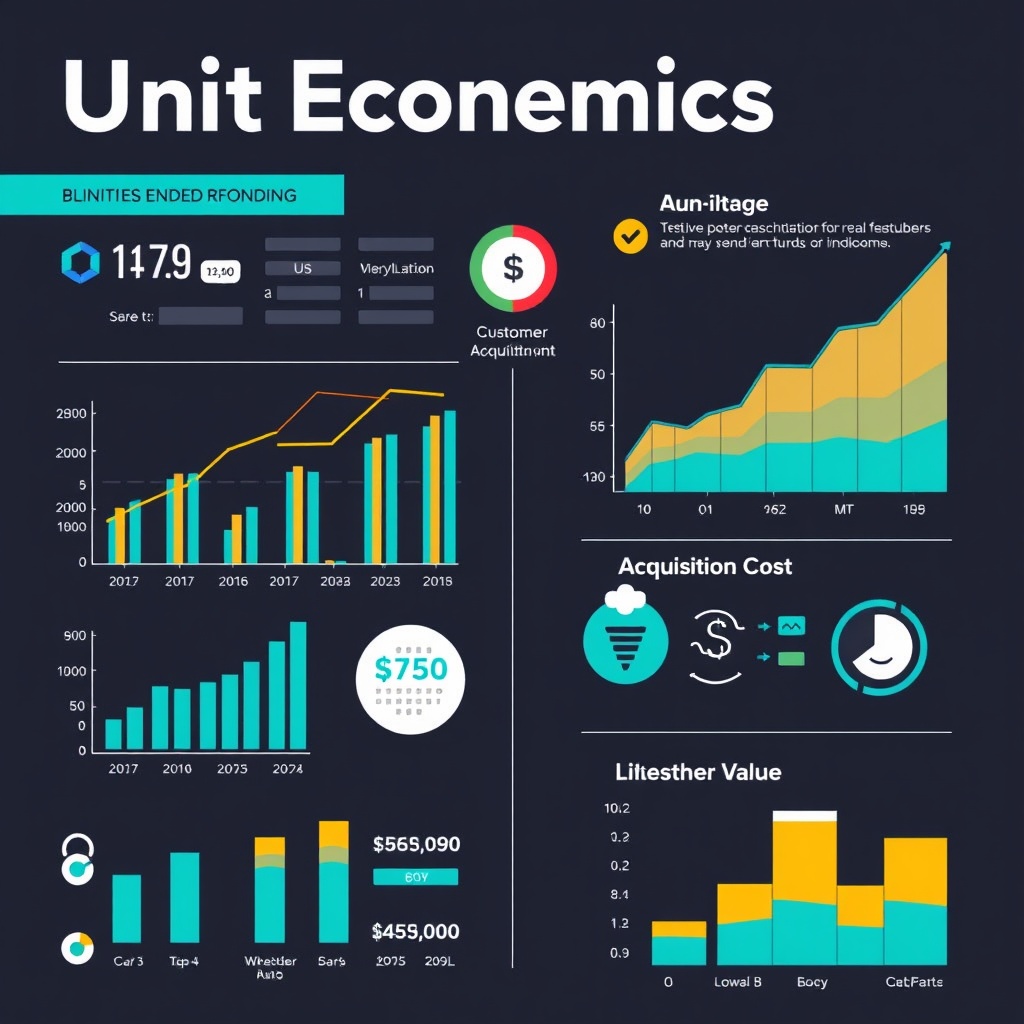
To truly optimize your unit economics, you need to dive deep into the metrics that matter. This means not only looking at your customer acquisition cost (CAC) and lifetime value (LTV), but also how these metrics interact with each other to create a sustainable financial model. Understanding these relationships will set the stage for a compelling narrative when you approach potential investors.
Key Metrics You Can’t Afford to Ignore
Investors will want to see a well-rounded view of your financial health, so let’s break down the key metrics that define your unit economics. Here’s a list of critical factors you should be tracking:
- Customer Acquisition Cost (CAC): The total cost of acquiring a new customer, including marketing and sales expenses.
- Lifetime Value (LTV): The total revenue your business can expect from a single customer account over time.
- Churn Rate: The percentage of customers that stop using your service during a given time frame.
- Contribution Margin: The revenue remaining after variable costs are subtracted, indicating how much is available to cover fixed costs.
- Payback Period: The time it takes to recoup the costs associated with acquiring a customer.
By closely monitoring these metrics, you can identify areas for improvement, reduce unnecessary costs, and enhance your overall profitability, all of which are crucial for impressing potential Series B investors.
Crafting a Compelling Narrative for Investors
Once you’ve optimized your unit economics, it’s time to turn those numbers into a story that captures the attention of investors. While data is critical, how you present it can make all the difference. Investors are not just funding a business; they are investing in a vision. Showcase how your improved metrics translate into real-world advantages—like market leadership, customer loyalty, or innovative product features.
In your pitch, emphasize your growth potential by projecting future unit economics based on current improvements. Use visuals like graphs and charts to illustrate your progress and plans. Remember, the goal is to create a narrative that demonstrates both your financial acumen and your passion for the business.