
Overview of Milan’s FinTech Ecosystem

Milan has swiftly emerged as a prominent hub for financial technology (FinTech) innovation in Europe. With a rich legacy in finance and a dynamic startup culture, the city is uniquely positioned to foster groundbreaking solutions that redefine the financial landscape. As the heart of Italy’s economic activity, Milan attracts both established financial institutions and agile startups, creating a vibrant ecosystem that promotes collaboration and growth.
The FinTech ecosystem in Milan is characterized by a diverse array of players, including startups, accelerators, investors, and established financial institutions. This landscape encourages innovation through collaboration, resulting in a wide range of services and solutions that cater to various segments of the market. From digital payments and blockchain solutions to robo-advisors and insurance technology, Milan’s FinTech scene is a melting pot of creativity and technological advancement.
Below is a list of key components that define the FinTech ecosystem in Milan:
- Startups: Innovative companies driving disruption in financial services.
- Accelerators and Incubators: Programs that support early-stage businesses with mentorship and resources.
- Investors: Venture capitalists and angel investors funding FinTech innovations.
- Traditional Financial Institutions: Banks and financial services firms partnering with startups to enhance their offerings.
- Regulatory Bodies: Government agencies that provide oversight and facilitate the growth of FinTech.
One of the most compelling aspects of Milan’s FinTech ecosystem is the robust investment landscape. The city has seen a surge in venture capital funding directed towards FinTech startups, reflecting confidence in the sector’s potential for growth. Investors are not only attracted to the financial returns but also to the innovative spirit that characterizes Milan’s startups.
Furthermore, the Italian government has introduced various initiatives aimed at promoting financial innovation. This includes favorable regulatory frameworks that encourage experimentation and the adoption of new technologies. As a result, Milan is becoming an increasingly attractive destination for entrepreneurs and investors alike, eager to capitalize on the opportunities presented by the FinTech revolution.
Key Players in Milan’s Financial Innovation Scene
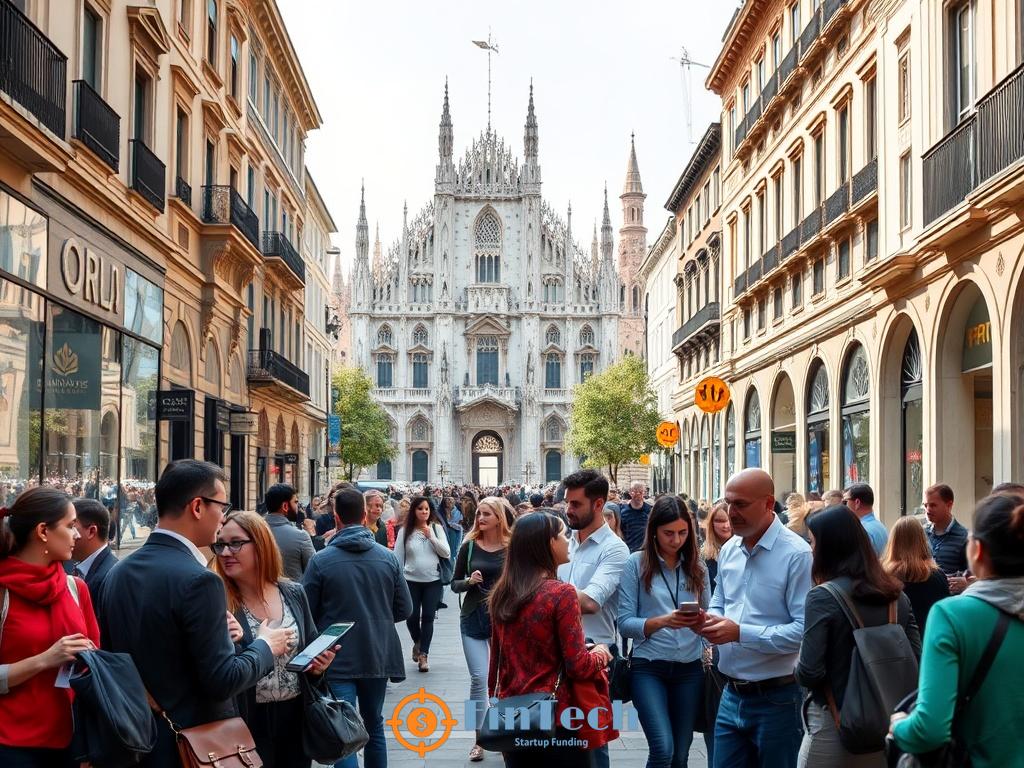
The synergy between various stakeholders is pivotal to Milan’s FinTech landscape. Startups serve as the driving force for innovation, often working hand-in-hand with established financial institutions to develop cutting-edge solutions that cater to evolving consumer needs. These collaborations harness the strengths of both parties, enabling startups to leverage the extensive resources and market knowledge of traditional banks while allowing established entities to tap into the agility and creativity of newer companies. This dynamic partnership is a hallmark of Milan’s innovative spirit, fostering a culture where experimentation thrives.
Moreover, the presence of accelerators and incubators adds another layer of support to budding entrepreneurs. These programs not only provide essential funding but also offer mentorship from seasoned industry experts. By facilitating knowledge transfer and networking opportunities, they play a crucial role in nurturing the next generation of FinTech leaders in Milan.
Investment activity within Milan’s FinTech sector has gained remarkable momentum, evidenced by the influx of capital from venture capitalists and angel investors. These financial backers are increasingly recognizing Milan as a fertile ground for innovation, resulting in a *notable increase in funding rounds* for startups, which is essential for scaling operations and accelerating growth. Investors are not only motivated by the potential for high returns but also by the exciting developments within the ecosystem, making the city a hotspot for financial innovation.
The supportive role of regulatory bodies cannot be understated either. With a focus on encouraging innovation while ensuring consumer protection, regulatory frameworks in Italy have adapted to meet the needs of the rapidly evolving FinTech landscape. This balanced approach fosters a climate of trust and encourages new entrants to explore the market without the fear of regulatory backlash.
| Key Players | Role in Ecosystem |
|---|---|
| Startups | Innovators developing disruptive technologies |
| Financial Institutions | Partners providing resources and market access |
| Accelerators | Support systems for early-stage companies |
| Investors | Capital providers fueling growth |
| Regulatory Bodies | Governance ensuring a safe innovation environment |
Regulatory Landscape Impacting FinTech in Milan
The regulatory environment in Milan plays a crucial role in shaping the FinTech landscape, providing a framework within which innovation can flourish while ensuring consumer protection and market integrity. As startups and established financial institutions collaborate to bring cutting-edge solutions to the market, understanding the nuances of the regulatory landscape becomes imperative for stakeholders. The Italian government, along with European Union regulations, has crafted a comprehensive approach that seeks to balance innovation with necessary oversight.
Adapting to Change: The Role of Regulatory Bodies
In Milan, regulatory bodies like the Commissione Nazionale per le Società e la Borsa (CONSOB) and the Banca d’Italia are at the forefront of establishing guidelines that facilitate FinTech operations. These institutions have been proactive in engaging with startups, understanding their challenges, and crafting policies that nurture growth. The introduction of sandboxes—controlled environments where FinTech firms can test new products without the burden of full regulatory compliance—has significantly accelerated innovation. By allowing companies to experiment with minimal risk, these initiatives have positioned Milan as a fertile ground for financial experimentation.
Compliance and Innovation: A Delicate Balance
While the regulatory framework encourages innovation, it also imposes certain compliance obligations that FinTech firms must navigate. Startups are required to adhere to stringent anti-money laundering (AML) and data privacy regulations, which can pose challenges, especially for emerging companies with limited resources. However, this compliance requirement serves as a double-edged sword; it ensures consumer protection while fostering trust in the ecosystem. As a result, companies that successfully navigate these regulations not only gain market credibility but also attract investment, further enhancing their growth potential.
A Comparative Perspective: Milan vs. Other European Hubs
When comparing Milan to other European FinTech hubs such as London and Berlin, it becomes clear that Milan’s regulatory environment, while robust, is also increasingly adaptive. Milan’s approach emphasizes collaboration between regulators and innovators, contrasting with the more stringent frameworks observed in other cities. This ability to adapt and foster an open dialogue between startups and regulatory bodies has solidified Milan’s reputation as a burgeoning destination for FinTech investment.
| City | Regulatory Approach | Sandbox Initiatives | Consumer Protection |
|---|---|---|---|
| Milan | Collaborative and adaptive | Yes | Strong |
| London | Regulated with strict compliance | Yes | Very Strong |
| Berlin | Progressive but cautious | Limited | Strong |
In summary, the regulatory landscape in Milan is a vital component of its FinTech ecosystem. By fostering an environment that encourages innovation while ensuring consumer safety, regulatory bodies are not just gatekeepers but partners in the journey toward financial innovation. As Milan continues to evolve as a FinTech hub, the interplay between regulation and innovation will undoubtedly shape its future trajectory.
Investment Trends in Milan’s FinTech Sector
The investment landscape in Milan’s FinTech sector is undergoing a transformative shift, reflecting the city’s burgeoning significance as a focal point for financial innovation. As the appetite for technological advancements in finance grows, both local and international investors are increasingly drawn to Milan’s vibrant ecosystem. This surge in interest is not merely a trend but a testament to the robustness of the opportunities that lie within the city’s FinTech landscape.
Recent years have witnessed a remarkable escalation in funding directed towards FinTech ventures in Milan. The influx of venture capital and angel investments underscores a growing confidence in the sector’s potential for substantial returns. Notably, the sector has attracted considerable attention from global investors, who recognize Milan as a strategic location for innovation-driven financial solutions.
The following list encapsulates the key factors driving this investment momentum:
- Strong Startup Ecosystem: A diverse range of FinTech startups are emerging, showcasing innovative solutions that address various financial pain points.
- Supportive Government Initiatives: The Italian government has rolled out policies that encourage investment in FinTech, including tax incentives and streamlined regulatory processes.
- Collaborative Environment: Partnerships between startups and established financial institutions foster a culture of innovation, leading to increased investor interest.
- Global Recognition: Milan’s reputation as a financial hub is bolstered by its strategic location and connectivity, drawing international investors.
As the FinTech landscape in Milan continues to evolve, the focus on sustainable growth and technological advancement will further attract investment. Stakeholders are keenly aware that the future of finance will be shaped by innovation, and Milan is poised to play a pivotal role in this narrative. The collaborative synergy between startups, investors, and regulatory bodies is expected to propel the city into the forefront of global financial innovation.
In summary, the investment trends in Milan’s FinTech sector highlight a robust and dynamic environment that is ripe for growth. As the district continues to attract significant capital and talent, it solidifies its status as the Italian epicenter of financial innovation.
Future Prospects for FinTech Development in Milan
The future of FinTech development in Milan appears exceptionally promising, fueled by the city’s increasing focus on technological advancement and innovation. As the global financial landscape evolves, Milan is strategically positioned to lead the charge in creating cutting-edge financial solutions that cater to emerging consumer needs. With a strong ecosystem of startups, investors, and regulatory support, the city is set to become a cornerstone of financial innovation in Europe.
A variety of factors are expected to propel Milan’s FinTech sector into a new era of growth and opportunity. These elements not only enhance the existing framework but also pave the way for groundbreaking advancements that can redefine financial services.
- Technological Advancements: The rapid progression of technologies such as artificial intelligence, blockchain, and big data analytics will enable Milan’s FinTech companies to develop more efficient and user-friendly solutions that enhance customer experiences.
- Increased Collaboration: Partnerships between FinTech startups and traditional financial institutions will continue to flourish, creating a symbiotic relationship that drives innovation while leveraging established market presence.
- Global Expansion Opportunities: As Milan gains traction as a FinTech hub, companies will seek to expand their operations beyond Italian borders, tapping into international markets and diversifying their customer base.
- Regulatory Support: The continued engagement of regulatory bodies in fostering a conducive environment for innovation will ensure that startups can experiment with new ideas while maintaining compliance with necessary regulations.
The future of Milan’s FinTech sector will not only focus on technological advancements but also emphasize sustainability and social responsibility. As consumers become more conscious of ethical practices, FinTech firms will be compelled to integrate sustainable practices into their business models, addressing social issues while driving profitability. This shift towards responsible innovation is expected to attract a new wave of socially-conscious investors and consumers, further solidifying Milan’s reputation as a leader in FinTech innovation.
In summary, the prospects for FinTech development in Milan are bright, with a convergence of technology, collaboration, and regulatory support creating a fertile ground for innovation. As the city continues to evolve, it will undoubtedly play a pivotal role in shaping the future of financial services, positioning itself as a beacon of innovation within the global FinTech landscape.